
Research Spotlights
Be inspired by the science behind the sightings. Explore bird research, participatory science projects, species spotlights, and long-term monitoring efforts happening across New Hampshire.
July 21, 2026
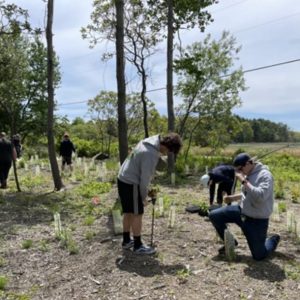
Behind the scenes at Odiorne Point State Park, habitat restoration is improving bird habitat while tackling invasive plants, climate change, and the challenge of protecting wildlife in one of New Hampshire's busiest birding destinations.
June 18, 2026
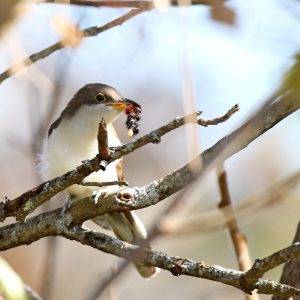
What if your backyard kept birding even while you slept? Ashton Almeida shares how the BirdWeather PUC, an AI-powered acoustic monitoring device, detected a new bird outside his window and is transforming the way he discovers birds at home. Learn how this technology works, what it can reveal, and how it complements traditional birding.
June 18, 2026
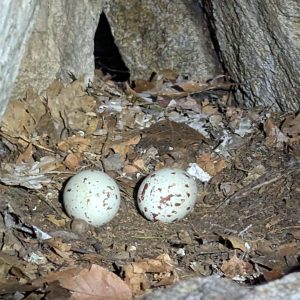
During the 2026 City Nature Challenge, an evening search for a rare fern led to an extraordinary discovery: New Hampshire's first confirmed Black Vulture nest. Nate Marchessault recounts the unexpected encounter and explores what this milestone reveals about the species' northward expansion and the role of participatory science in documenting important changes in our natural world.
May 13, 2026
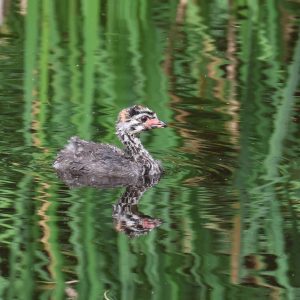
Decades of historic bird sightings from New Hampshire are now fully accessible through eBird. Thanks to years of work by volunteers and NH Audubon staff, more than 180,000 records from the New Hampshire Bird Records database have been uploaded.
May 13, 2026
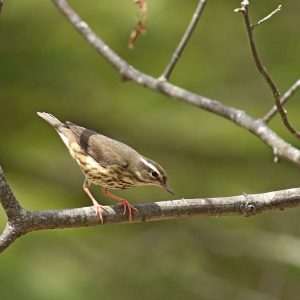
Distinguishing Northern Waterthrush and Louisiana Waterthrush can challenge even experienced birders. While similar in appearance, these two warblers differ in subtle but important ways. Steve provides the information that most field guides don't cover!
May 13, 2026
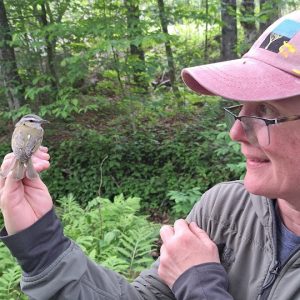
The 2025 Monitoring Avian Productivity and Survivorship project at Black Mountain Banding Station had an exciting season. Learn all about it as anticipation builds for the next season.
April 15, 2026
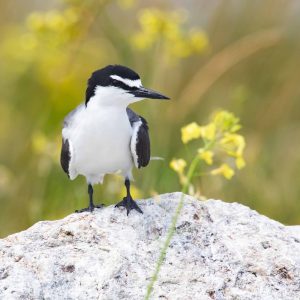
The New Hampshire Rare Birds Committee report summarizes notable bird records from Spring 2024 through Winter 2024–2025, including the state’s first accepted record of a Bridled Tern and a range of other rare and unusual sightings across the seasons.
March 17, 2026
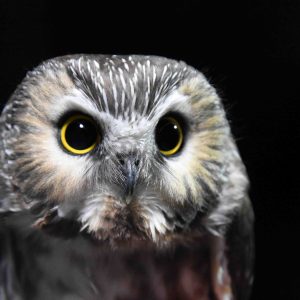
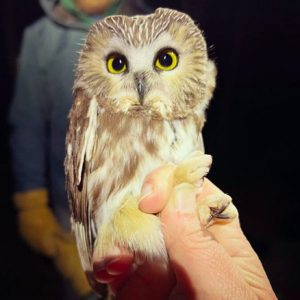
What can tiny, nocturnal Northern Saw-whet Owl migrations tell us about bird populations and changing environments? At the Black Mountain Banding Station in New Hampshire, researchers and volunteers are tracking these secretive owls during both fall and spring migration to better understand their movements, survival, and the challenges they face across their annual cycle.
March 17, 2026
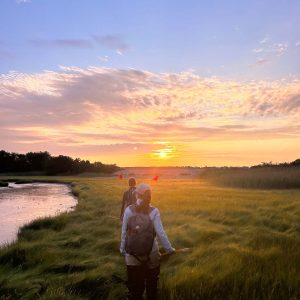
Each fall, researchers and volunteers with the Harris Center for Conservation Education band migrating Northern Saw-whet Owls in southwestern New Hampshire to better understand their movements and population dynamics. The 2025 season captured 140 owls, revealed peak migration in late October, and documented long-distance recaptures from across North America through the collaborative Project Owlnet network.
February 23, 2026
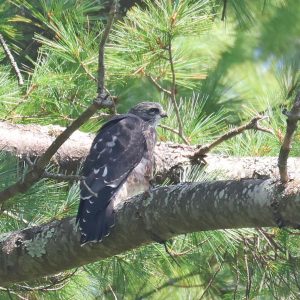
What does a day in the life of a Saltmarsh Sparrow researcher look like? Join UNH Ph.D. student Talia Kuras as she rises before dawn to band sparrows, monitor nests, and study how marsh restoration efforts in New Hampshire, Maine, and Massachusetts are shaping the future of this vulnerable tidal marsh specialist.
January 8, 2026
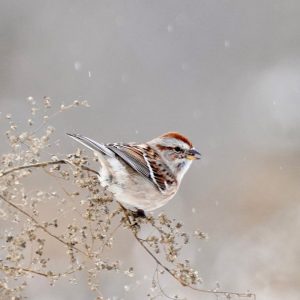
Mississippi Kites had a roller coaster summer in New Hampshire this year but ended on a high note with two successful nests and two fledged young! This is the first year since 2020 that two have fledged.
January 8, 2026
Share your love of birds this Valentine’s weekend by joining NH Audubon’s 39th annual Backyard Winter Bird Survey, February 14–15. With a brand-new website, online data entry, and resources for bird lovers of all levels, there’s never been a better time to take part.
January 2, 2026
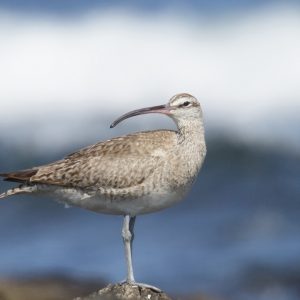
Users of eBird and other Cornell products (e.g., Merlin), may have noticed some changes to bird names in New Hampshire (and beyond, but let’s keep it local) this past fall. What’s a “Hudsonian” Whimbrel? Why are Warbling Vireo and Yellow Warbler “Eastern” and “Northern” all of a sudden?

October 2, 2025
Did you know that Black-capped Chickadees feed their young caterpillars not seeds? In the winter, chickadees eat seeds, but when they are raising a family, they feed the babies caterpillars which are soft and full of protein and fat.

July 4, 2025
Birds’ feathers are as dazzling as they are diverse. The oil-slick shine of a raven’s back. The orange pop of an oriole against a forested backdrop. A flash of red on the shoulders of the Red-winged Blackbird. But behind the beauty lies an intricate and fascinating process that defines each bird’s plumage.
November 5, 2024
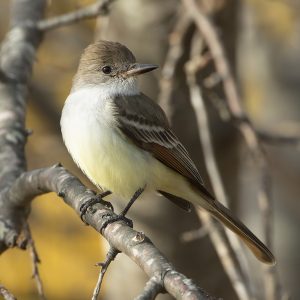
The Ash-throated Flycatcher (Myiarchus cinerascens) is a medium-sized flycatcher with a widespread breeding range. The core of the breeding range is from the southwestern United States through central Mexico, but some birds nest as far north as Idaho and Washington.

July 7, 2024
The incredibly cute and inquisitive Canada Jay (Perisoreus canadensis) is well known to anyone hiking the alpine summits of the White Mountains. Canada Jays (also known as Gray Jays, Whiskey Jacks, Gorbies, or Camp Robbers) often have close interactions with people and are frequently photographed landing on a person’s hand to take food, perching on someone’s head, or photobombing a perfectly staged summit shot.