
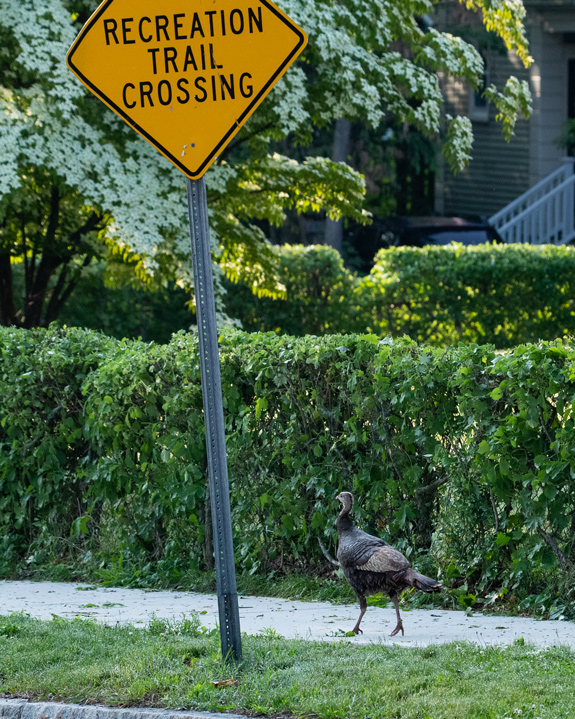
Downtown Dover may not be your first thought for prime birding locations, but it was the place I first grew to love birding when I moved here four years ago. It isn’t always the easiest place to bird, and like a lot of more urban birding areas the places to find the birds can be disconnected and not immediately obvious. I have spent a great deal of time scouting the Dover Community Trail in search of every potential piece of habitat, no matter how small, where a bird might pop up.
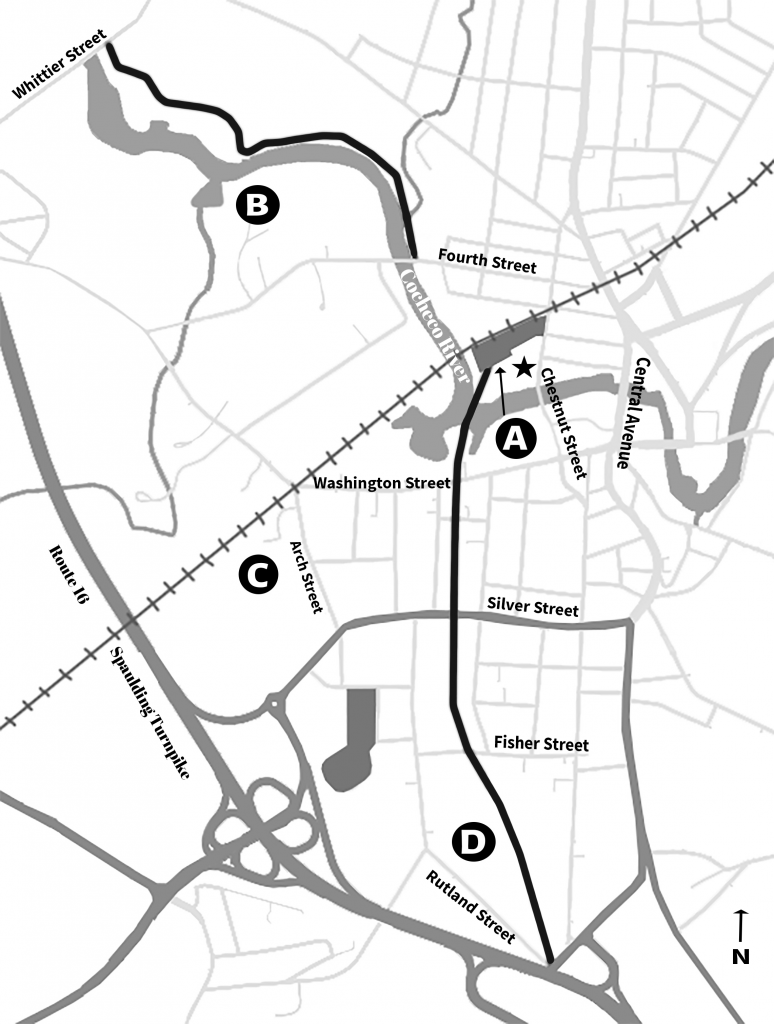
This section of the trail is about 2.3 miles long, running from Whittier Street to Rutland Street. It follows the Cocheco River until 4th Street where you have to cross residential streets to reach the Dover Transportation Center, after which the trail runs south to its terminus. There is parking for the trail located at the Dover Transportation Center, as well as on-street parking on Washington Street and a small number of spots at the 4th Street Bridge.
In the center of the trail is the Transportation Center and the Walking Bridge, as well as the part of the river that runs to Central Avenue. This area is a great place to find Northern Rough-winged Swallows, as well as occasional Barn, Tree, and Cliff Swallows. A decent number of Northern Rough-winged Swallows breed in the outflow pipes that let out under the Central Avenue bridge, and dozens of these birds can be observed flying from the walking bridge during the summer. This is also the best area to find Black-crowned Night Herons, usually roosting in trees along the river during the day. During winter evenings you may hear the singing of Eastern Screech-Owls after sunset from the walking bridge, and during winter days this is a great place to track down flocks of Cedar Waxwings and occasionally even Bohemian Waxwings. On Summer evenings, the chimney at the Loyal Order of Moose Lodge hosts one of the largest Chimney Swift roosts on the Seacoast and hundreds of swifts can be seen circling as they come in to roost for the night.
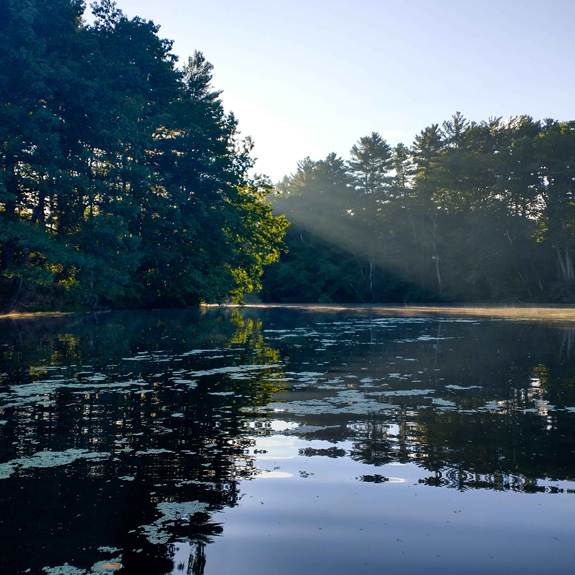
One of the most enjoyable ways to bird the Community Trail is by boat. There is unfortunately no good public access to launch a kayak or canoe, but if you park at the 4th Street Bridge you should be able to find a suitable place to disembark at the riverbank. Along the water, you will find plenty of waterfowl: Mallards, Wood Ducks, American Black Ducks, Canada Geese and even an occasional Gadwall or Northern Pintail. In the spring and fall, warblers will flock in the thickets abutting the river and you will often find Osprey, Cooper’s Hawks and Broad-winged Hawks patrolling the river in search of prey. Make sure to keep an eye out in Spring for shorebirds; this is a fantastic spot for Solitary Sandpiper, as well as Spotted and the occasional Least Sandpiper.
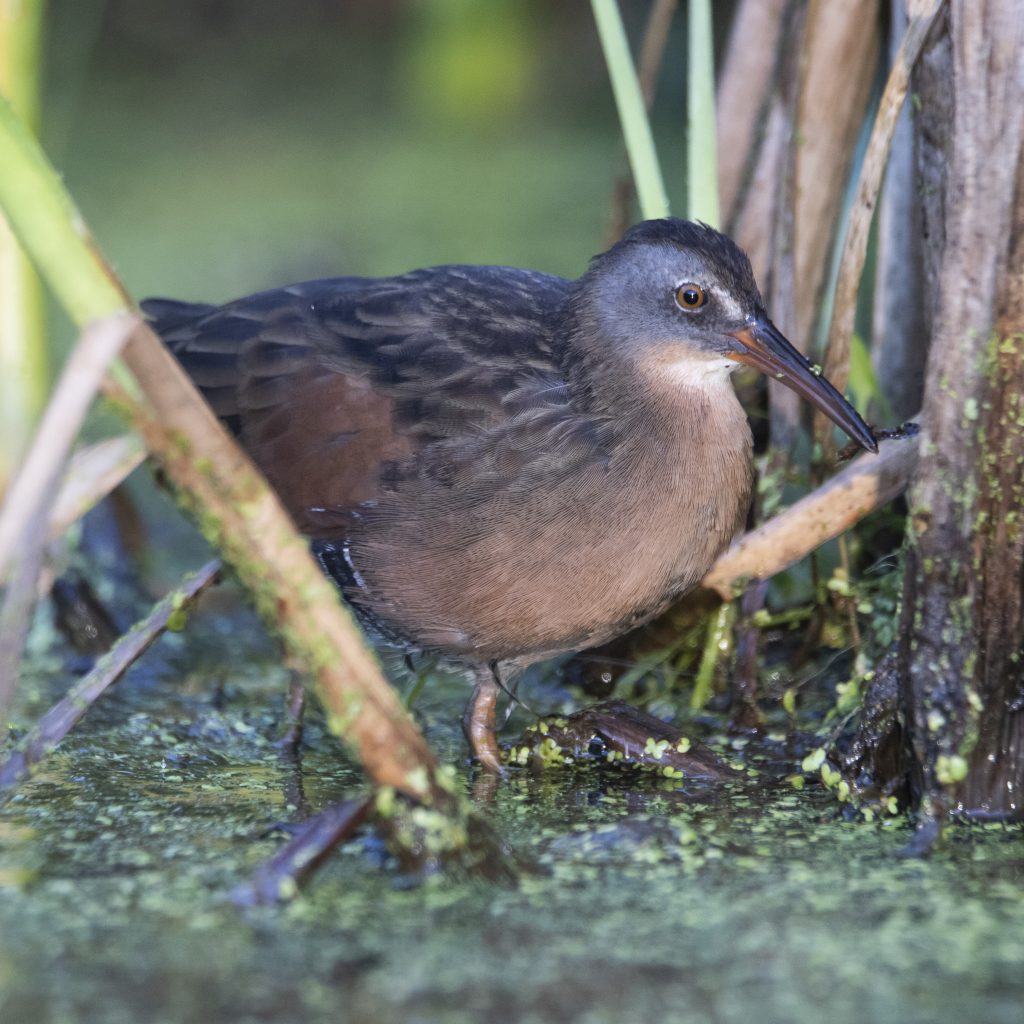
In this northern section of river, there is a spur marsh that is excellent habitat for many of New Hampshire’s resident marsh-dwelling birds that is only accessible by boat. Virginia Rails breed here, and Northern Waterthrush can be found in decent numbers from spring to fall. Occasionally, a Marsh Wren or an American Bittern make an appearance, but the relatively small size of this area means they usually do not stay long. There is also a great variety of non-bird wildlife: Common Snapping Turtles, American River Otters, Raccoons, and Beavers all call this area home.
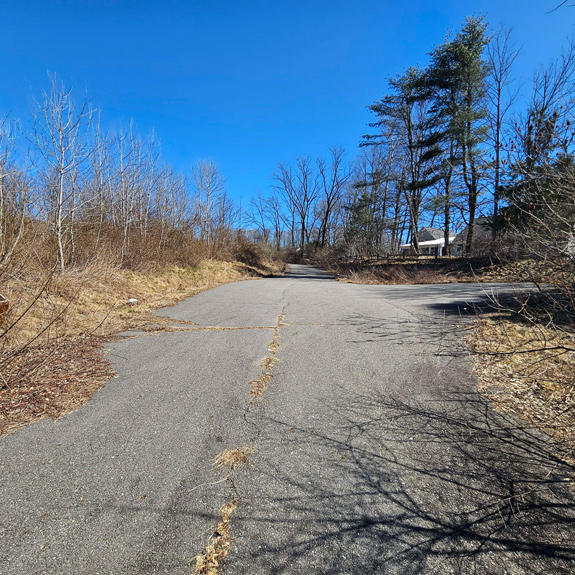
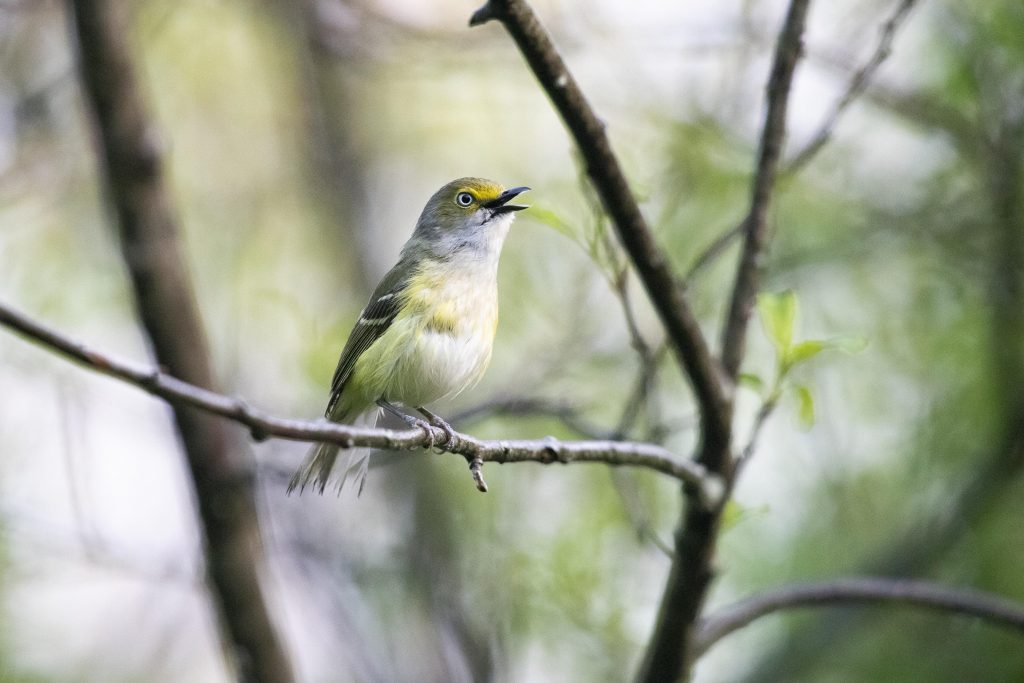
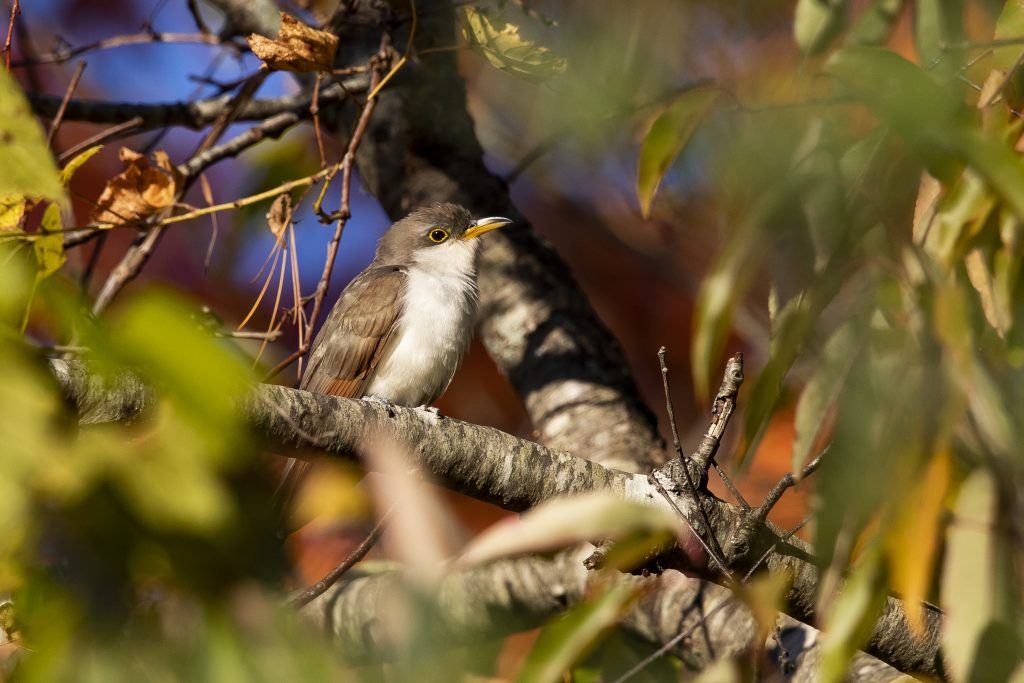
Your best chance at finding something rare would be at the Friesian Street Thickets, which is an undeveloped plot located off of Arch Street. In the spring, many warblers and other passerines can be found at the end of Friesian Street deep in the thickets, while in the fall they seem to like the more open area closer to Arch Street. I have had Yellow-billed Cuckoo, Brown Thrasher, and Orange-crowned Warbler here in the fall, and in the spring of 2024 I had a White-eyed Vireo, one of only a few records from Strafford County.
The final important area is the parking lot of the Restoration Church and the southernmost portion of the Community Trail. There is a large field here, that combined with the thickets along the edge of the trail and parking lot, create perfect sparrow habitat. Lincoln’s, White-crowned, Savannah, Swamp, Chipping and Song Sparrows, as well as Dark-eyed Juncos can all be found here. This is a superb spot for warblers in the spring, including one day when I had a Wilson’s, Bay-breasted, and Tennessee Warbler all in the same flock! This is also one of the places to find American Woodcock in the spring, peenting in the open field and even occasionally performing their aerial displays in the evenings. North of here along the trail, after crossing Fisher Street, there is an area that seems to be perfectly situated to attract rare overwintering birds. I’ve had winter Yellow-bellied Sapsuckers, Hermit Thrushes, Winter Wrens, and even a Black-and-White Warbler!
Over the years of birding here, I have managed to find a surprising 150 species of birds on the Community Trail. It has been one of my favorite spots to photograph from and I have gotten many of my favorite shots of common and uncommon species alike. I’m out here nearly every day, so if you see me walking my dog or with my bins and camera peering into some shrubs, feel free to give me a wave and ask “see anything interesting today?”
Editor’s Note: Please note that the trail is open to both bicycles and pedestrians. Click here to learn more about the Community Trail and its history.
Photos from downtown Dover and the Community Trail:
Downtown Dover Key:
A: Transportation Center and Walking Bridge (best parking and access to trail, just be sure to park in the designated spaces)
B: Cocheco River and North Spur Marsh (accessible by boat only)
C: Friesian Street Thickets (off Arch Street, not part of the Community Trail)
D: Restoration Church Parking Lot and Field (south end of the Community Trail)
Star: Loyal Order of Moose Lodge (huge Chimney Swift roost)